English is one of Malta’s two official languages, alongside Maltese, and it is used every day in business, government, the media and shops. Add sunshine, the sea and a compact, safe island, and it is easy to see why tens of thousands of people come to Malta every year to learn English. This is our guide from us at Experiences Malta to studying English in Malta: who comes, how long they stay, visas, choosing a school and what student life is like.
Students in 2025
76,063 at 34 licensed schools
Average stay
3.4 weeks
Biggest markets
Italy, Germany, France
Official languages
Maltese and English
Why Study English in Malta?
- English is everywhere: as an official language, you will use it in shops, on buses and in restaurants, not only in class.
- An EU country: EU citizens can come without a visa, and the euro is the currency.
- Close to home for Europeans: direct flights from most European cities take around two to three hours.
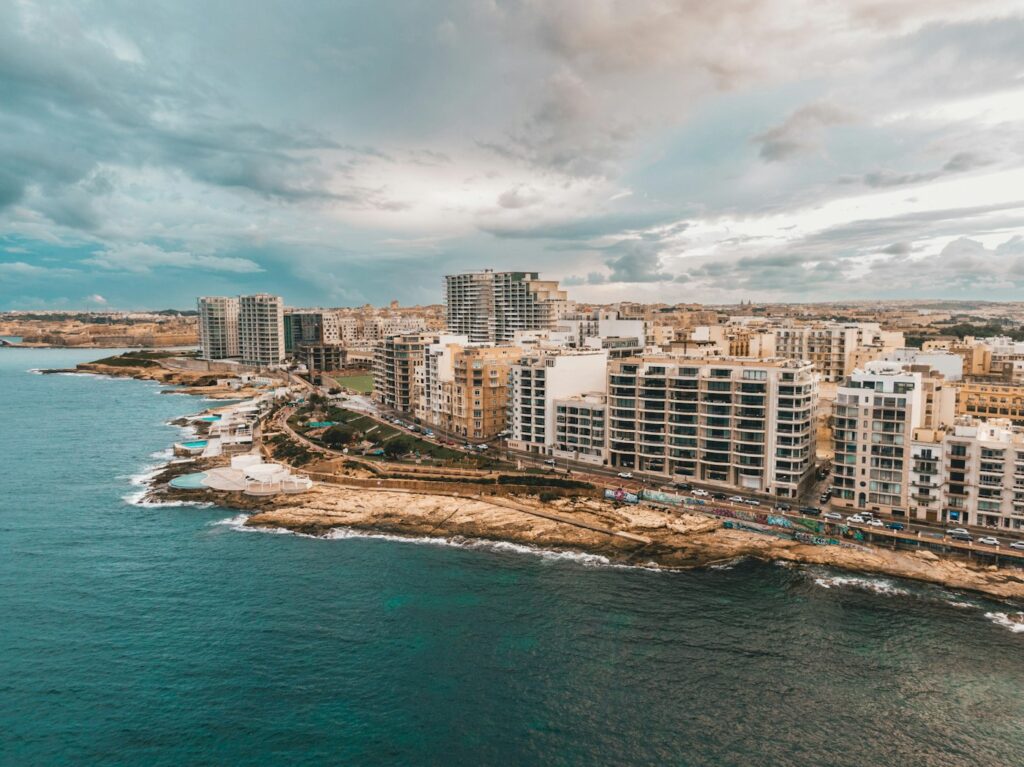
- Climate and the sea: lessons in the morning, a swim in the afternoon for much of the year. See our Malta weather by month.
- Compact: it is easy to explore at weekends, from Valletta to Gozo.
Who Studies English in Malta?
Malta’s National Statistics Office publishes figures every year on English language teaching (often called ELT or TEFL). In 2025:
| Measure | 2025 |
|---|---|
| Foreign students | 76,063 (down 6.0% on 2024) |
| Licensed English schools | 34 |
| Total student weeks | 262,255 (up 2.1%) |
| Average stay | 3.4 weeks per student |
| Largest nationality | Italian, 23.0% of students |
| Next largest | German 10.6%, French 10.4% |
| Aged 15 and under | 29.2% of students |
| Aged 16 to 17 | 20.9% of students |
Students from outside the EU tend to stay much longer. ICEF Monitor, which analysed the same data, reports that students from Colombia stayed an average of 12.1 weeks, Chile 11.9 weeks and South Korea 8.6 weeks, compared with a few weeks for most Europeans. Non-EU students made up about 21,400 learners in 2025.
Do You Need a Visa to Study English in Malta?
The rules depend on your nationality and how long your course is. Always check the latest requirements with Identità, Malta’s agency for residence and visas, or with your school before you book.
- EU, EEA and Swiss citizens: no visa is needed. If you stay more than three months, you register your residence and show enrolment, health cover and sufficient funds.
- Non-EU, short courses (up to 90 days): visa-exempt nationals can usually study within the 90 days in any 180-day period allowed in the Schengen area. Others apply for a short-stay Schengen visa.
- Non-EU, long courses: you need a national long-stay visa before you travel. Identità advises applying at least eight weeks before your course starts.
- Working while studying: eligible non-EU students on long courses may work part-time, up to 20 hours a week, once they have an employment licence. Do not start work before it is issued.
Choose a licensed school. English language schools in Malta must be licensed by the ELT Council, the government body that regulates the sector. Ask your school for its licence before you pay, especially if you need a visa.
How to Choose an English School in Malta
- Course type: general English, intensive courses, exam preparation (such as IELTS or Cambridge), business English, or junior summer programmes.
- Class size and hours: ask how many students are in a class and how many lessons a week are included.
- Age mix: about half of all students are under 18, so if you are an adult, ask about adult-only classes or centres, especially in July and August.
- Location: many schools are in Sliema and St Julian’s, close to the sea and nightlife; others are in quieter towns and in Gozo.
- What is included: airport transfers, accommodation, activities and weekend trips vary a lot between schools.
Where Students Stay in Malta

Schools usually offer three options: a host family, which is good for practising English at home; a student residence; or a shared apartment. Sliema and St Julian’s are the most popular areas, with the most schools, cafés and bus links. Compare the areas in our guide to where to stay in Malta.
Student Life in Malta
Lessons are usually in the morning, leaving afternoons and weekends free. Most schools run social programmes with beach days, boat trips and evenings out. Use your free time to see the islands:
- Swim at the best beaches in Malta or take a boat to the Blue Lagoon
- Spend a weekend on Gozo
- Explore Valletta and the Three Cities
- Try diving with a beginner course. See diving in Malta
- Eat pastizzi and fresh fish with our Maltese food guide
- Plan around festas and Carnival with What’s On in Malta
Compare courses
English Courses in Malta
Compare general, intensive and exam courses at licensed English schools in Malta, with accommodation options.
- Licensed schools only
- Host family, residence or apartment
- Courses from one week
Studying in Malta FAQ
Is Malta good for learning English?
Yes. English is an official language and used every day, schools are licensed by a government body, and the island is compact and safe. It is one of Europe’s most popular places to learn English.
How long do students usually stay?
The average in 2025 was 3.4 weeks, but students from outside the EU often stay much longer, from two to three months or more.
Do I need a visa to study English in Malta?
EU citizens do not. Non-EU students may study for up to 90 days visa-free if their nationality allows it, otherwise they need a Schengen visa, and courses longer than 90 days need a national long-stay visa. Check with Identità before booking.
Can I work while studying English in Malta?
Eligible non-EU students on long courses can work up to 20 hours a week once they have an employment licence. EU citizens can work freely.
Where are most English schools in Malta?
Many are in Sliema and St Julian’s, with others around the island and in Gozo.
Keep Planning
Where to Stay in MaltaSliema, St Julian’s and more Malta Weather by MonthWhen to go
 Things to Do in MaltaWeekend ideas
How we wrote this guideThis guide was researched and written by us at Experiences Malta, using the official and local sources listed below, and we review it through the year. Prices, timetables and opening hours change, so please check before you travel. More about Experiences Malta.
Sources: NSO Malta: Teaching English as a Foreign Language 2025, ICEF Monitor: Malta ELT 2025, Identità: Study FAQ, Free Malta: Do I need a visa to study English in Malta?, ELT Council Malta.